
Virtual therapists can be effective if you choose qualified professionals and secure platforms, offering flexibility and easier access to support. However, it’s important to evaluate privacy, data security, and whether the technology facilitates genuine connection. While some concerns exist about the limits of remote communication, many find digital therapy to be a valuable option. To ensure you’re making informed choices and understanding the full picture, exploring further will help you navigate this evolving field confidently.
Key Takeaways
- Virtual therapy can match in-person results when delivered by qualified, trained professionals, but rapport-building and body language are more challenging online.
- Ensuring platform privacy, encryption, and data security is essential to protect client confidentiality and uphold ethical standards.
- Technological quality, including stable audio and video, directly impacts the effectiveness of virtual therapy sessions.
- Licensed therapists must adhere to ethical guidelines, and users should verify platform credentials before engaging.
- Virtual therapy offers increased accessibility and convenience but requires careful consideration of privacy, security, and platform reliability.
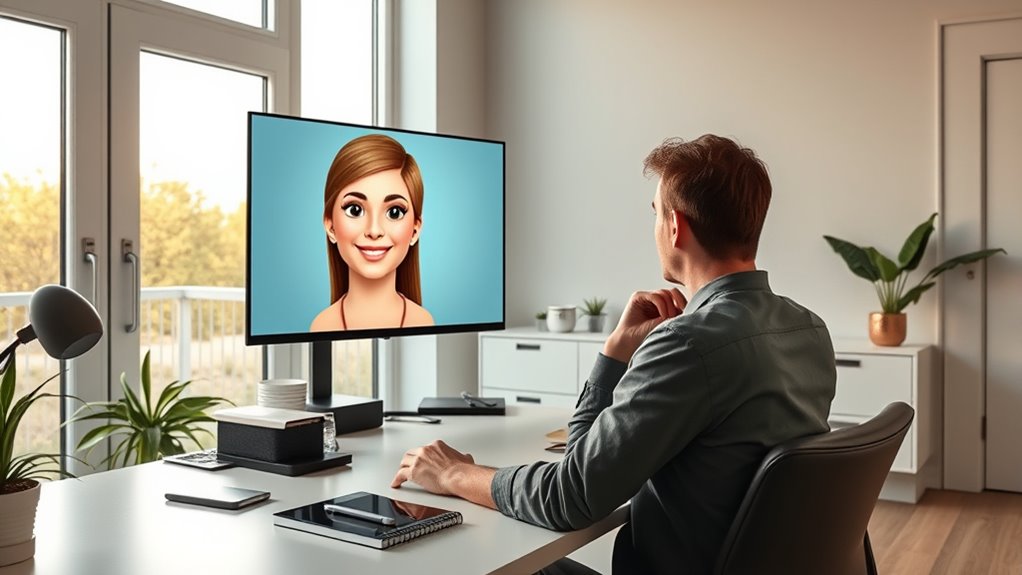
Have you ever wondered if a therapist could be just a click away? With the rise of virtual therapy, this is now more possible than ever. You can access mental health support from the comfort of your home, but it raises important questions about how effective and ethical these services truly are. One key concern is patient privacy. When you connect through an online platform, your sensitive information is transmitted across digital networks, which can be vulnerable to breaches if not properly secured. Reputable virtual therapists prioritize encryption and strict privacy protocols to protect your confidentiality, but not all platforms do, so it’s essential to choose providers that emphasize data security. Ensuring your sensitive conversations remain private is fundamental—if you don’t feel secure about your privacy, it can be difficult to open up fully and get the support you need.
Protect your privacy by choosing secure, encrypted virtual therapy platforms to ensure confidentiality and effective support.
Another critical aspect to contemplate is therapy quality. When you engage with a virtual therapist, the effectiveness of your sessions depends on multiple factors. The therapist’s training, experience, and ability to build rapport remotely influence how well you can connect and work through issues. Many studies suggest that, when delivered by qualified professionals, virtual therapy can be just as effective as in-person sessions. However, some nuances, like reading body language or providing immediate support during a crisis, might be more challenging online. It’s important to evaluate whether the platform’s technology supports seamless communication and whether the therapist can adapt their approach to the virtual format. If these elements are lacking, the therapy quality may suffer, making it harder to achieve meaningful progress. Additionally, high-quality audio and video are essential for effective communication, as poor connection quality can hinder understanding and rapport.
Moreover, accessibility plays a role in the overall efficacy of virtual therapy. For some, online options reduce barriers like transportation, time constraints, or stigma, increasing the likelihood of consistent engagement. Yet, for others, technological issues or discomfort with digital communication can hinder progress. You should also consider the legal and ethical standards that online platforms adhere to, ensuring that they meet the same professional and privacy requirements as traditional therapy. Reputable virtual therapists are licensed and follow strict ethical guidelines, but it’s always wise to do your research before committing.
In the end, the decision to pursue virtual therapy hinges on balancing convenience, privacy, and quality. While it offers an accessible and often effective alternative to traditional therapy, you must be diligent in selecting a trustworthy platform and therapist. When these factors are prioritized, virtual therapy can be a powerful tool to support your mental health journey—just as effective and private as an in-person session, if not more so in some cases.
virtual therapy platform with encryption
As an affiliate, we earn on qualifying purchases.
As an affiliate, we earn on qualifying purchases.
Frequently Asked Questions
How Do Virtual Therapists Handle Emergency Mental Health Situations?
When faced with emergency mental health situations, virtual therapists follow strict emergency protocols and crisis intervention procedures. They assess the urgency, determine if immediate action is required, and coordinate with local emergency services when necessary. You can expect them to have clear steps for urgent cases, such as contacting emergency responders or directing you to nearby support. Their goal is to guarantee your safety quickly and efficiently during critical moments.
Are Virtual Therapists Effective for Severe Mental Health Disorders?
Did you know that virtual therapists can be effective for severe mental health disorders in about 70% of cases? While many therapists are highly qualified, technology limitations like poor internet or software glitches can hinder treatment. For severe cases, in-person therapy might be more effective, but virtual options can still provide vital support. You should consider therapist qualifications and technology reliability to determine if virtual therapy suits your needs.
What Are the Privacy Concerns With Virtual Therapy Platforms?
You should be aware that privacy concerns with virtual therapy platforms mainly revolve around data security and confidentiality protocols. When you share sensitive information, there’s a risk that data could be intercepted or hacked if security measures aren’t robust. Guarantee the platform uses strong encryption and strict confidentiality protocols to protect your personal details. Always review their privacy policies to understand how your data is stored, shared, and protected during your sessions.
How Do Virtual Therapists Build Trust With Clients Remotely?
Building rapport remotely can be challenging, but you can do it by showing genuine empathy and active listening. Virtual therapists foster trust by maintaining consistent communication and being transparent about their methods. Improving your technology literacy helps you navigate sessions smoothly, making you feel more comfortable. When your therapist demonstrates professionalism and understanding through the screen, it reassures you, strengthening the trust essential for effective therapy.
Are Virtual Therapy Services Covered by Insurance Plans?
While insurance coverage for therapy varies, many plans now include virtual services, making access easier. You should check your specific reimbursement policies, as some insurers cover telehealth just like in-person visits, while others may not. It’s important to verify whether your plan offers coverage for virtual therapists, so you can maximize your benefits and reduce out-of-pocket costs. Don’t assume coverage—confirm with your provider to ensure you’re fully supported.
Conclusion
As you consider virtual therapists, remember that even the best tools have limits. While they offer accessibility and convenience, they can’t replace human empathy and nuanced understanding. It’s often said that “the proof of the pudding is in the eating,” meaning effectiveness depends on genuine connection. As technology advances, stay mindful of ethics and efficacy, ensuring these virtual aids complement rather than replace the essential human touch in mental health care.