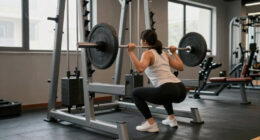
To get the most out of strength training, focus on doing 3 to 4 sets of 6-12 reps per exercise, gradually increasing weight or reps over time. Rest at least 48 hours between workouts targeting the same muscle groups to help muscles recover and grow. Proper recovery, nutrition, and consistency are key to progress. Keep exploring these fundamentals to optimize your gains and avoid stagnation.
Key Takeaways
- Focus on 3-4 sets of 6-12 reps for optimal muscle hypertrophy.
- Gradually increase weight, reps, or sets to ensure progressive overload.
- Allow at least 48 hours of rest between training sessions for the same muscle groups.
- Proper recovery, sleep, and nutrition are essential for muscle repair and growth.
- Adjust reps and intensity based on your goals: endurance, strength, or hypertrophy.

Are you curious about how strength training can transform your fitness routine? If so, understanding the role of sets, reps, and recovery is essential. When you focus on these elements, you’re directly influencing muscle hypertrophy — the process where your muscles grow larger and stronger. To see consistent progress, mastering workout progression is key. This means gradually increasing the challenge of your exercises over time, whether by adding more weight, performing more reps, or adjusting other variables. Without proper progression, your muscles won’t be stimulated enough to grow, and your gains will plateau.
When you choose your sets and reps, think about your goal. If muscle hypertrophy is your priority, aim for moderate repetitions—typically around 6 to 12 per set—because this range effectively stimulates muscle growth. Doing more than 12 reps tends to focus more on muscular endurance, while fewer reps with heavier weights prioritize strength. The number of sets you perform also matters; generally, 3 to 4 sets per exercise strikes a good balance between volume and intensity, providing enough stimulus for muscle hypertrophy without overtraining.
Progression is fundamental. As you get stronger, you should challenge your muscles by increasing the weight, adding more reps, or doing extra sets. This gradual increase keeps your muscles adapting and growing. For example, if last week you did 3 sets of 8 reps with a certain weight, this week try 3 sets of 9 or 10 reps or add a little more weight. This concept, called workout progression, prevents stagnation and encourages continuous muscle hypertrophy. Remember, consistency is essential—sticking with your routine and incrementally pushing your limits will bring the best results over time.
Recovery plays a *critical* role in this process. When you exercise, you’re creating micro-tears in your muscle fibers, which need time to repair and grow stronger. Without adequate rest, your muscles can’t recover properly, and your progress stalls. Aim for at least 48 hours of recovery between working the same muscle groups. Proper sleep, nutrition, and hydration support this repair process, maximizing your gains. Overtraining can lead to fatigue, injury, and setbacks, so listen to your body and don’t rush the process. Incorporating rest days and varying your workouts helps prevent burnout and keeps your muscles responding positively to training. Additionally, understanding how glycolic acid can improve skin health might be beneficial for recovery and overall wellness, as exfoliation can help maintain healthy skin during intense training periods.

TYZDMY Adjustable Dumbbells Set of 2,Free Weights Dumbbells Set,Adjustable Dumbbell Set,52.5 lbs pair 105 lbs,15 in 1,for Men/Women Gym Equipment for Home Strength Training Equipment
【15 in1 Adjustable Dumbbells】You will receive a pair of 52.5 lb dumbbells, each adjustable in 15 different weights:…
As an affiliate, we earn on qualifying purchases.
As an affiliate, we earn on qualifying purchases.
Frequently Asked Questions
How Does Age Affect Strength Training Effectiveness?
As you age, strength training effectiveness can decline due to hormonal changes and reduced muscle elasticity. You might notice slower gains and longer recovery times. However, by adjusting your routine—focusing on proper recovery, including flexibility exercises, and maintaining consistent training—you can still build strength. Staying aware of these changes helps you tailor your workouts, ensuring you stay strong and healthy despite age-related shifts.
Can Women Train With the Same Sets and Reps as Men?
Yes, women can train with the same sets and reps as men, but gender differences in muscle mass and strength mean you might see faster gains with tailored programs. Focus on training equality by challenging yourself appropriately, regardless of gender. Adjust weights and intensity based on your goals and recovery needs, and remember that consistency and proper form are key for everyone. Don’t hesitate to modify your routine for ideal progress.
What Are the Best Recovery Techniques for Muscle Growth?
Your muscles crave recovery like a desert thirsts for rain, so prioritize quality sleep, hydrate well, and fuel your body with protein-rich foods. Incorporate active recovery, like light cardio or stretching, to boost blood flow and accelerate muscle hypertrophy. Don’t forget to listen to your body—progressive overload during workouts is key, but giving muscles time to rest guarantees you keep building strength without risking injury.
How Long Should a Strength Training Program Last?
Your strength training program should last at least 8 to 12 weeks for noticeable results, but long-term planning is vital. You might extend it or cycle through different phases to avoid plateaus and keep progressing. Regularly assess your progress and adjust your program duration accordingly. This approach ensures continuous improvement, helping you build strength steadily while preventing burnout or overtraining.
Is It Necessary to Vary Sets and Reps Regularly?
Yes, varying your sets and reps is essential, and here’s why. If you stick to one routine, your progress stalls. Periodization planning and rep range variability keep your muscles guessing, preventing plateaus. By regularly changing your training variables, you stimulate new growth and strength gains. So, don’t settle into a routine—mix it up. Your body will thank you as you break through those stubborn plateaus and keep advancing.

TriggerPoint Grid 1.0 Foam Roller – 13" Multi-Density Massage Roller for Deep Tissue & Muscle Recovery – Relieves Tight, Sore Muscles & Kinks, Improves Mobility & Circulation – Targets Key Body Parts
IMPROVE MUSCLE RECOVERY – Multi-density GRID features a three-dimensional surface that provides more efficient muscle recovery by promoting…
As an affiliate, we earn on qualifying purchases.
As an affiliate, we earn on qualifying purchases.
Conclusion
Think of your strength journey as building a sturdy house. Each set, rep, and recovery session is like laying bricks and letting the mortar set. Consistency and patience are your tools, helping you construct a resilient foundation. Keep at it, and soon you’ll have a powerhouse built on solid principles. Remember, every effort you put in today strengthens your tomorrow. Stay committed, and watch your strength grow stronger than ever before.

LEEKEY Resistance Bands for Working Out, Exercise Bands with Door Anchor,Pull Up Assistance Bands for Men and Women- Strength Bands for Fitness Training, Physical Therapy,Home Workouts
Total Portability & Complete Workout System: With a waterproof carry bag and versatile attachments including a door anchor,…
As an affiliate, we earn on qualifying purchases.
As an affiliate, we earn on qualifying purchases.

Muscle Milk Genuine Protein Powder, Vanilla Crème, 1.93 Pounds, 12 Servings, 32g Protein, 2g Sugar, Calcium, Vitamins A, C & D, NSF Certified for Sport, Energizing Snack, Packaging May Vary
Contains one (1) 1.93 pound cannister (about 12 servings) of Muscle Milk Genuine Protein Powder. Packaging may vary….
As an affiliate, we earn on qualifying purchases.
As an affiliate, we earn on qualifying purchases.