

In rowing, focusing on developing a steady rhythm is more beneficial early on than relying solely on raw power. Maintaining consistent strokes helps you become more efficient, conserve energy, and build endurance. It also improves your technique, allowing muscles to work harmoniously and delaying fatigue. As you progress, a rhythmic approach boosts your confidence and mental resilience. Keep exploring, and you’ll discover how honing your rhythm can lead to better long-term performance and sustained progress.
Key Takeaways
- Consistent rhythm improves efficiency, allowing rowers to sustain effort longer than relying solely on raw power.
- Emphasizing technique and timing reduces energy waste, leading to better performance early in training.
- Rhythmic rowing helps maintain focus and mental resilience during fatigue, outperforming brute strength.
- Developing a natural, sustainable cadence promotes long-term progress and endurance.
- Prioritizing rhythm fosters muscle memory and disciplined movement, making initial gains more reliable than raw power.

When it comes to rowing, mastering rhythm often outweighs sheer strength, as athletes who synchronize their strokes consistently outperform those relying solely on raw power. The key to success isn’t just brute force; it’s how well you can develop techniques that emphasize timing and smooth, coordinated movements. When your strokes are fluid and well-timed, you conserve energy and maintain a steadier pace, which directly boosts your endurance. It’s tempting to think that the strongest athlete will always win, but in rowing, consistency and rhythm often prove more crucial over longer distances.
Focusing on techniques helps you achieve this rhythm. You want to pay close attention to your drive phase—pushing off with your legs, then leaning back slightly, and finally pulling with your arms—making each part flow seamlessly into the next. When you develop a smooth, efficient stroke pattern, you reduce unnecessary movements that waste energy. This not only improves your overall performance but also helps you sustain a higher level of effort for longer periods, enhancing your endurance. The goal is to find a cadence that feels natural and sustainable, rather than rushing through strokes or relying on quick, jerky motions that tire your muscles prematurely.
Endurance in rowing is built through consistent practice of these techniques. As you refine your rhythm, you’ll notice that your body adapts, becoming more efficient at converting effort into forward motion. This efficiency means you can row longer without fatigue setting in as quickly. You’ll also find that maintaining a steady rhythm minimizes the risk of burnout, allowing you to keep pushing through tough stretches of a race or training session. Over time, your muscles learn to operate in harmony with your breathing and stroke rate, further boosting your stamina. Incorporating muscle memory into your training helps solidify these techniques, making your rhythm more natural over time.
Moreover, rhythm acts as a mental anchor during demanding moments. When you’re tired, returning to your rhythm helps you stay focused and prevents you from slipping into inefficient, energy-draining techniques. It’s about creating a sense of flow that keeps you moving forward, regardless of fatigue. Developing a consistent rowing technique enhances both your physical and mental resilience, making it easier to stay motivated and disciplined. By prioritizing technique and rhythm, you develop a sustainable pace that leverages endurance, rather than relying on raw strength alone. Ultimately, your progress hinges on your ability to stay consistent, rhythmic, and efficient—making those qualities more valuable than sheer power in the long run.
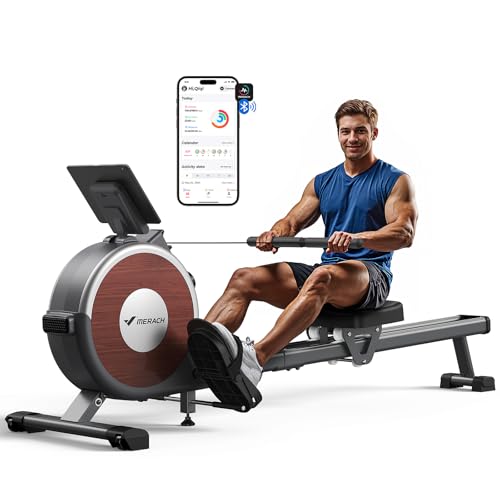
Merach Rowing Machine, Magnetic Rower Machine for Home, 16 Levels of Quiet Resistance, Dual Slide Rail with Max 350lb Weight Capacity, App Compatible with LCD Monitor, Q1S
- App Compatibility: Includes Merach and KINOMAP apps
- Workout Data Tracking: Displays distance, time, calories, and more
- Quiet Magnetic Resistance: Smooth, silent rowing experience
As an affiliate, we earn on qualifying purchases.
As an affiliate, we earn on qualifying purchases.
Frequently Asked Questions
How Does Rhythm Improve Rowing Efficiency?
Rhythm improves your rowing efficiency by helping you develop better musical coordination and maintain tempo consistency. When you stay in sync with the rhythm, each stroke becomes more precise, reducing wasted energy and increasing power transfer. This steady pace allows you to conserve stamina and perform more smoothly. By focusing on rhythm, you optimize your technique, making your rowing more effective and enjoyable over longer distances or intense workouts.
What Training Methods Enhance a Rower’s Sense of Rhythm?
You can enhance your sense of rhythm through targeted training methods. Focus on practicing breath control, which helps stabilize your breathing pattern and syncs with your strokes. Incorporate drills that emphasize maintaining tempo consistency, like metronome-guided rowing or pacing with music. These techniques help you develop an intuitive sense of timing, making your strokes more fluid and efficient, ultimately improving overall rowing performance.
Why Is Rhythm Prioritized Over Power in Beginner Rowing?
You prioritize rhythm over power in beginner rowing because mastering consistent timing helps you control the boat and build a solid foundation. Proper equipment maintenance guarantees your boat and oars function smoothly, making rhythm easier to develop. Coaching feedback emphasizes timing and stroke rate, helping you refine your technique early on. This focus on rhythm creates a smoother, more efficient rowing style, setting the stage for increased power as you progress.
Can Focusing on Rhythm Reduce Injury Risk?
Focusing on rhythm can indeed reduce injury risk because it improves your stroke timing and enhances balance coordination. When you prioritize rhythm, you move more smoothly and consistently, which lessens strain on your muscles and joints. This controlled approach helps prevent overexertion or awkward movements, lowering injury chances. By maintaining proper stroke timing and good balance coordination, you develop a safer, more efficient rowing technique that protects your body during training.
How Does Rhythm Influence Team Synchronization in Rowing?
You might think rhythm’s influence on team synchronization is just about timing, but research suggests musical coordination and tempo consistency are essential. When everyone maintains a steady rhythm, it fosters seamless coordination, reducing misalignments. This shared sense of timing encourages smoother strokes and collective effort, ultimately enhancing performance. So, by focusing on rhythm, you help your team stay in sync, improving both efficiency and cohesion during each stroke.
Conclusion
So, next time you’re blasting weights at the gym, remember: raw power isn’t king in rowing. It’s all about that perfect rhythm, that sweet dance between your oars and your boat. Forget brute strength—if you want to impress the crew, learn to groove with the water. Who knew that in the sport of finesse, rhythm beats raw power? Turns out, smooth sailing isn’t just about muscle; it’s about dancing your way to victory.