If your pool has a straightforward layout and moderate debris, a suction pool cleaner is a smart choice for cost-effective and reliable cleaning. These cleaners are ideal if you’re on a budget and want simple maintenance without complex setup. They work best for pools with regular usage and standard debris like dirt or small leaves. To determine if it’s right for you and find tips for optimization, keep exploring the details.
Key Takeaways
- Ideal for pools with frequent debris like leaves, dirt, or algae, ensuring efficient cleaning with minimal manual effort.
- Suitable for smaller to medium-sized pools with simple layouts for effective coverage and lower system requirements.
- Cost-effective choice with lower initial purchase and maintenance costs, especially if regular cleaning is needed.
- Compatible with existing pool pump and filter systems, reducing setup complexity and potential system issues.
- When budget, ease of maintenance, and debris type favor suction cleaners over robotic or pressure models.
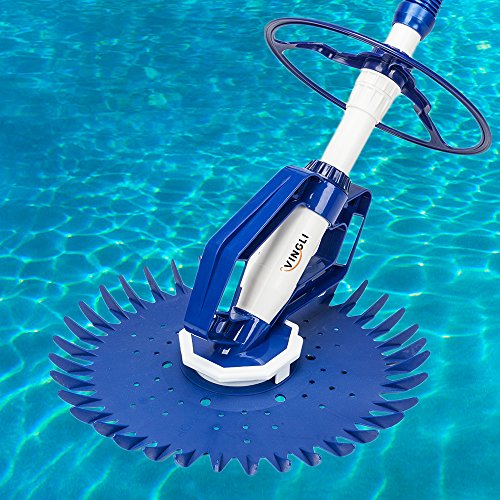
VINGLI Pool Vacuum Cleaner Automatic Sweeper Swimming Pool Creepy Crawler Vacuum with 33FT Hoses (Navy Blue&White)
Note:The vacuum requires at least a 3/4hp swimming pool pump or 1600ghp to function properly.
As an affiliate, we earn on qualifying purchases.
As an affiliate, we earn on qualifying purchases.
Assessing Pool Size and Layout for Optimal Suction Cleaner Performance
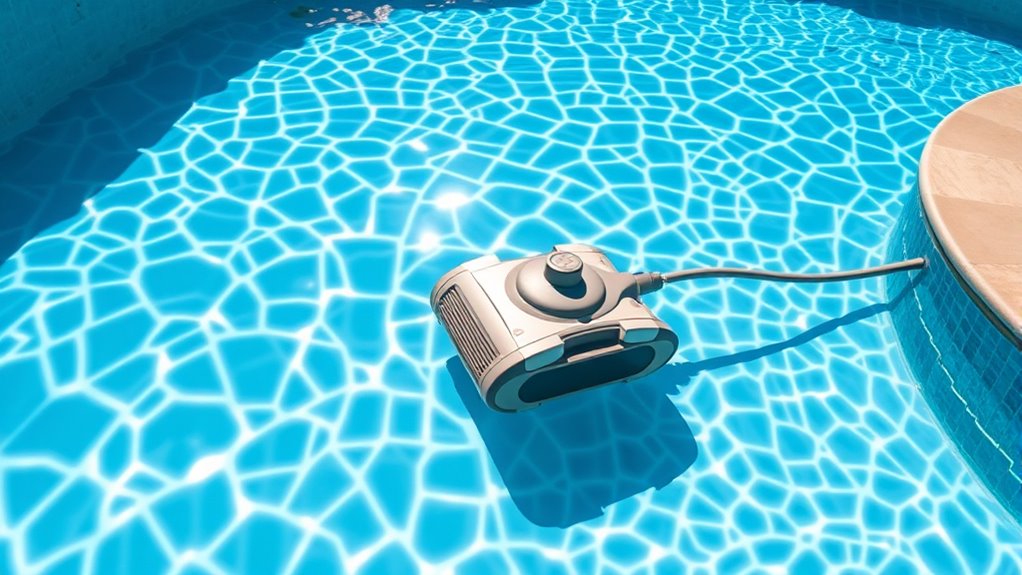
When choosing a suction pool cleaner, understanding your pool’s size and layout is essential for ideal performance. The cleaner’s ability to thoroughly clean the pool surface depends on whether it can navigate your pool’s shape and obstacles effectively. If your pool has a large surface area, ensure the cleaner has enough power and coverage to handle extensive floor cleaning without missing spots. For pools with intricate layouts or numerous obstructions, select a model designed for efficient navigation. Knowing the depth and features of your pool helps determine if a suction cleaner can reach all areas, especially for exhaustive floor cleaning. Additionally, assessing the pool’s shape and obstacles helps you choose a model capable of maneuvering effectively, ensuring comprehensive cleaning. Proper assessment also involves considering the pool size and layout, which directly impacts the cleaner’s efficiency and suitability for your specific setup. Ensuring your pool’s features align with the cleaner’s capabilities guarantees that it can work efficiently, keeping your pool spotless without extra hassle.

InoKraft Pool Vacuum for Above Ground Pool, Cordless Pool Vacuum for Inground Pools, Rechargeable Pool Cleaner with 18.5 GPM Suction, Above Ground Pool Vacuum with 59” Extendable Pole, Blue
[Effortless Daily Care] Keep your pool clear with this pool vacuum for above ground pool. As a cordless…
As an affiliate, we earn on qualifying purchases.
As an affiliate, we earn on qualifying purchases.
Evaluating Budget Constraints and Cost-Effectiveness
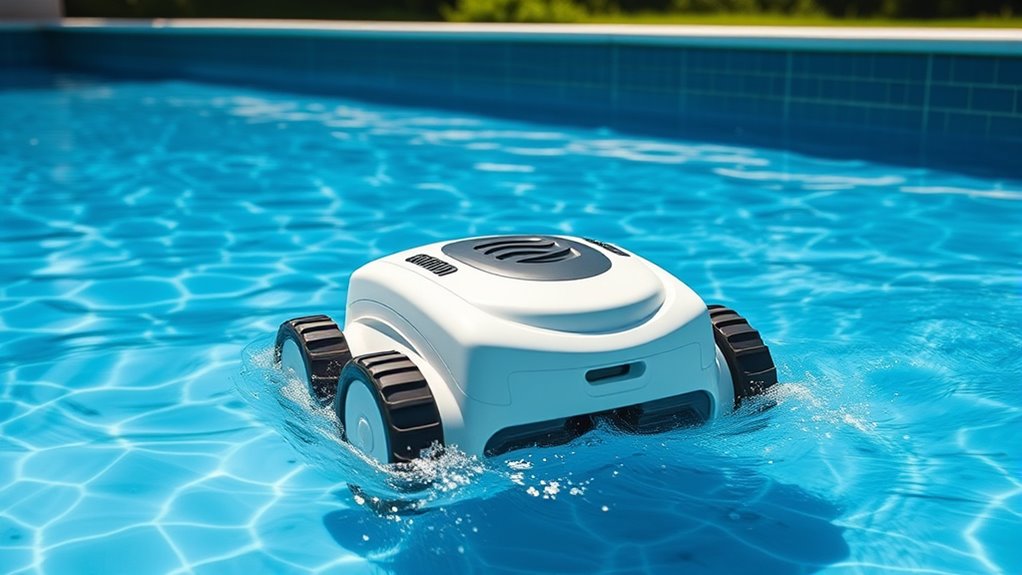
Are you balancing the benefits of a suction pool cleaner with your budget? Conducting a budget comparison helps determine if it’s the right choice. Suction cleaners often have a lower initial cost and simpler maintenance, leading to long term savings. Consider these factors:
- Upfront purchase price versus ongoing maintenance costs
- Energy efficiency compared to robotic or pressure cleaners
- Durability and lifespan for extended use
- Potential savings on professional cleaning services
While suction cleaners may cost less initially, assess whether they meet your pool’s needs over time. Investing wisely ensures you get the best value, combining affordability with effective cleaning. Weighing these factors helps you decide if a suction pool cleaner aligns with your financial goals and pool maintenance routine. Additionally, understanding the long-term performance of different pool cleaning options can help you make a more informed decision. For example, evaluating cost-effectiveness can reveal which type offers the best return on investment over its lifespan, especially when considering the reliability of the equipment. Moreover, considering the aesthetic appeal of the cleaner and its compatibility with your pool’s design can enhance your overall outdoor space. Furthermore, considering the exfoliating properties of glycolic acid can contribute to healthier skin, making it a beneficial addition to your skincare routine.
![[2026 Release] Automatic Robotic Pool Vacuum for Inground & Above Ground Pools, Wall Climbing Pool Vacuum Cleaner, Cleans Floor, Walls, Waterline, Drain & Skimmer up to 2150 Sq. Ft., 190 Min](https://m.media-amazon.com/images/I/51KnclJKzVL._SL500_.jpg)
[2026 Release] Automatic Robotic Pool Vacuum for Inground & Above Ground Pools, Wall Climbing Pool Vacuum Cleaner, Cleans Floor, Walls, Waterline, Drain & Skimmer up to 2150 Sq. Ft., 190 Min
Powerful Cleaning Performance: With dual brushless motors running at 3200 RPM and 4800 GPH suction, this robotic pool…
As an affiliate, we earn on qualifying purchases.
As an affiliate, we earn on qualifying purchases.
Considering Pool Usage Frequency and Maintenance Routine
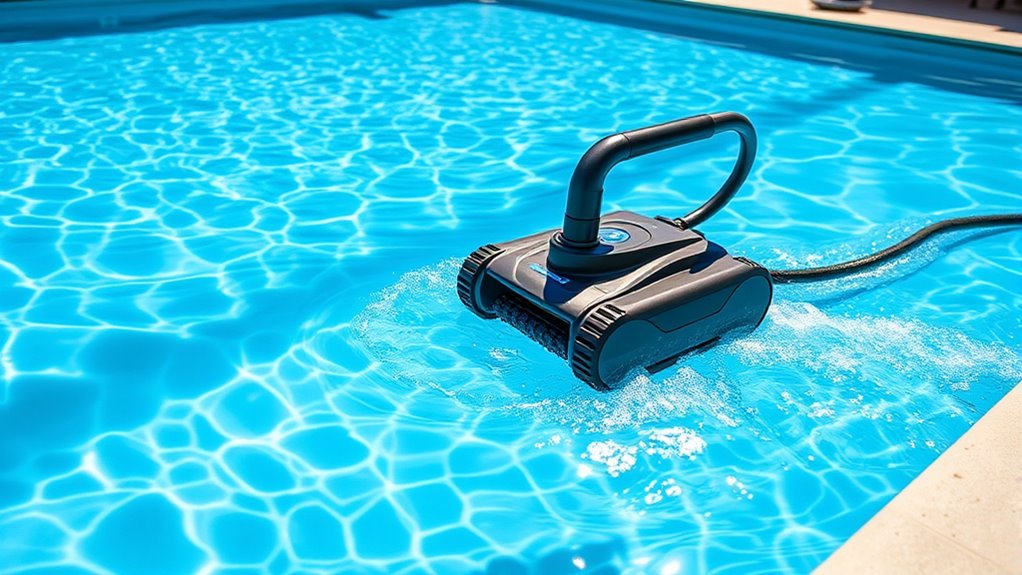
Your pool’s usage frequency substantially impacts whether a suction cleaner is the right choice for your routine. If you use your pool regularly, a suction cleaner can efficiently keep the pool surface clean without requiring daily manual effort. However, frequent use means you’ll need to stay on top of chemical balance to prevent algae growth and cloudy water, which can strain the cleaner’s effectiveness. Regular chemical checks and balancing are vital for preventing algae growth, ensuring your pool remains inviting and safe. Additionally, maintaining proper pool chemistry can improve the overall efficiency of your cleaning routine. For infrequent use, a suction cleaner still handles routine debris but may require more manual intervention to maintain ideal chemical levels. Additionally, regular maintenance routines are crucial for prolonging the lifespan of your cleaning equipment and ensuring consistent performance. Consistency in your maintenance routine ensures the cleaner operates smoothly and prolongs its lifespan. Additionally, selecting the right Kia Tuning options can enhance your vehicle’s performance, just as proper pool maintenance ensures optimal operation. Regular cleaning is essential for both maintaining your pool and ensuring your cleaner remains effective over time. Ultimately, understanding how often you use your pool and committing to regular chemical checks will help determine if a suction cleaner fits your needs best.
VINGLI Pool Vacuum Cleaner Automatic Sweeper Swimming Pool Creepy Crawler Vacuum with 33FT Hoses (Navy Blue&White)
Note:The vacuum requires at least a 3/4hp swimming pool pump or 1600ghp to function properly.
As an affiliate, we earn on qualifying purchases.
As an affiliate, we earn on qualifying purchases.
Identifying Debris Types and Cleaning Challenges
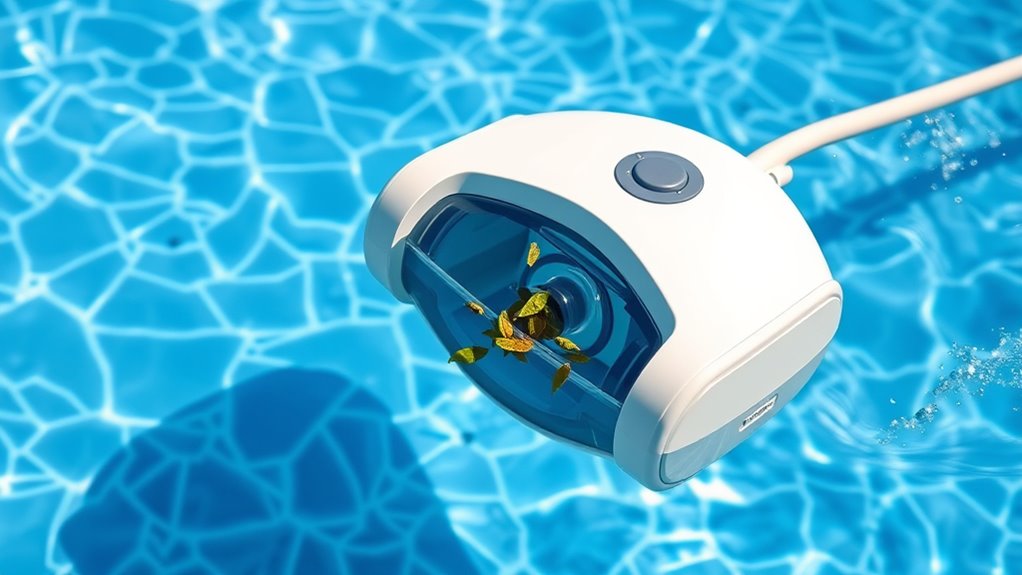
Different types of debris pose unique cleaning challenges for suction pool cleaners. Leaf accumulation can clog the skimmer, requiring frequent removal, while sand and silt settle into corners or on the bottom, making them harder to suck up. Small debris like dirt or algae may pass through the filter if it’s not fine enough, leading to incomplete cleaning. Large debris, such as sticks, can jam the cleaner’s suction pathway or get tangled. You’ll need to contemplate these factors to determine if a suction cleaner can handle your debris types efficiently. Additionally, understanding the Volkswagen Tuning options can help you optimize your vehicle’s performance to better handle different driving conditions and debris in your environment. Recognizing the effective strategies for weight loss can also ensure your pool maintenance routine stays sustainable and manageable over time. Moreover, considering the types of pool debris can guide you in selecting the most appropriate cleaning equipment for your pool’s specific needs. Properly assessing your pool’s climate control needs can further improve cleaning efficiency by maintaining optimal water temperature and chemistry, reducing debris buildup.
Understanding Compatibility With Existing Pool Equipment
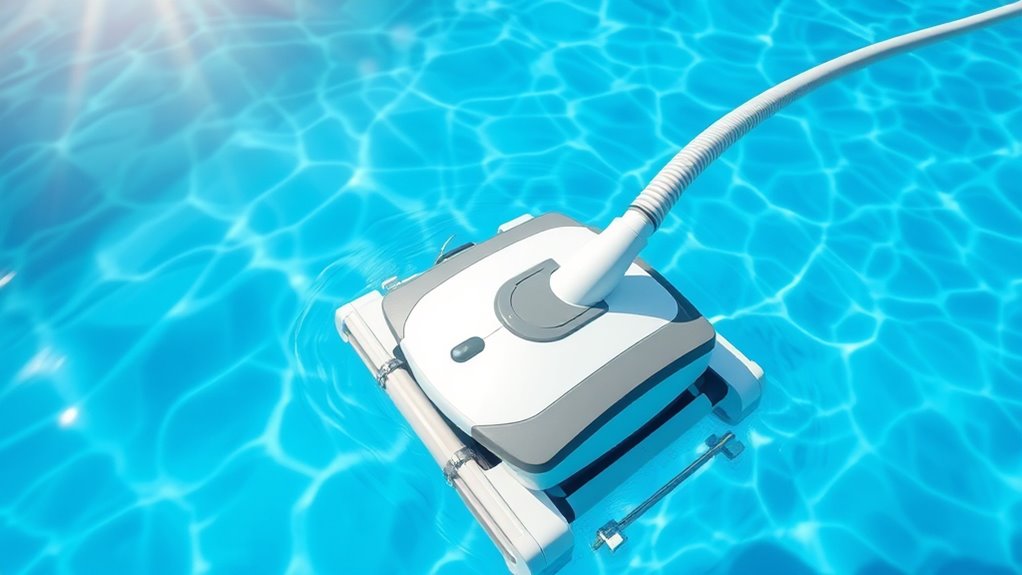
Choosing a suction pool cleaner that works seamlessly with your existing equipment requires understanding how well it integrates with your pool’s pump, filter system, and skimmers. First, check pipe compatibility to ensure the cleaner’s hose fits your pool’s plumbing connections without leaks or modifications. Next, consider power requirements—some cleaners need higher flow rates or specific pump horsepower to operate effectively. If your pool’s pump isn’t powerful enough, the cleaner may struggle to move or clean thoroughly. Additionally, verify that the cleaner’s suction port aligns with your skimmers and that your filter system can handle the additional debris. Proper compatibility prevents issues like insufficient suction, incomplete cleaning, or damage to your equipment, helping you choose a suction cleaner that works efficiently with your existing setup. Ensuring your system’s compatibility with the cleaner’s specifications can also extend the lifespan of your equipment and improve overall cleaning performance. Moreover, understanding the integration process can help you avoid costly repairs and ensure your pool remains clean with minimal effort. When selecting a suction cleaner, it’s also beneficial to review the water flow and filtration capacity to ensure your system can support continuous operation without sacrificing performance. You should also consider the type of debris typically present in your pool, as some cleaners are better suited for certain kinds of dirt and leaves. If your pool has unique features or specialized equipment, consulting with a professional can further optimize your system compatibility and ensure smooth operation.
Frequently Asked Questions
How Long Does a Typical Suction Pool Cleaner Last?
A typical suction pool cleaner lasts around 5 to 10 years with proper maintenance. To prolong its lifespan, follow regular maintenance tips like cleaning the filter and checking for blockages. Cost considerations also play a role—higher-quality models may cost more initially but can save you money in the long run by lasting longer. Keeping your cleaner in good shape guarantees it runs efficiently and lasts as long as possible.
Can Suction Cleaners Handle Large Debris Effectively?
Think of your suction pool cleaner like a vacuum with a trusty backpack—it handles debris well, but only so much at a time. For large debris, your cleaner’s debris capacity and suction power matter. If leaves or bigger twigs clog it quickly, a more robust cleaner might be needed. Suction cleaners excel with small, frequent debris, but for large messes, consider one with higher debris capacity or alternative options.
Are Suction Cleaners Suitable for In-Ground or Above-Ground Pools?
Suction pool cleaners are suitable for both in-ground and above-ground pools, but consider installation challenges and maintenance requirements. They’re generally easy to set up, especially in in-ground pools, but above-ground pools may need additional fittings. Regular maintenance is straightforward—cleaning filters and hoses. If you want a reliable, low-cost option that handles debris well, suction cleaners work well, especially if you’re comfortable managing minor installation details and routine upkeep.
Do Suction Cleaners Require Professional Installation?
You don’t need professional installation for a suction pool cleaner; most models are designed for DIY setup. You can typically install them yourself by attaching the hose and connecting it to your skimmer or dedicated suction line. Just follow the manufacturer’s instructions carefully, ensuring all connections are secure. This easy setup lets you enjoy clean pools without the hassle or extra cost of professional installation.
How Energy-Efficient Are Suction Pool Cleaners Compared to Robotic Types?
You might think suction pool cleaners are energy hogs, but surprisingly, they’re quite the opposite. With lower energy consumption, they save you money on electricity bills. Plus, their simple design means maintenance costs are minimal, unlike robotic cleaners that need more repairs. So, if you’re after an eco-friendly, budget-friendly option, suction cleaners actually outperform robotic types in energy efficiency and upkeep—irony at its finest!
Conclusion
When choosing a suction pool cleaner, remember it’s your trusted partner for specific needs—whether it’s size, debris, or budget. Think of your pool as a canvas, and the cleaner as your brush—guiding your decision with purpose and clarity. By weighing these factors carefully, you’ll make a choice that keeps your pool pristine, effortless, and inviting. After all, the right cleaner isn’t just a tool; it’s the key to your perfect pool experience.