
TL;DR
AI-enhanced camera drones are becoming central to 2026 photography, combining advanced stabilization, autonomous flight, and intelligent framing. This development is reshaping how professionals and hobbyists capture images and videos, with significant implications for the industry.
AI-powered camera drones are emerging as a significant development in 2026 photography, offering increased automation, stability, and creative control. Leading companies like DJI, Skydio, and startups are unveiling models that leverage artificial intelligence to assist with complex shots, enhance image quality, and enable autonomous flight paths. This shift has the potential to expand access to high-quality aerial imaging for both amateurs and professionals.
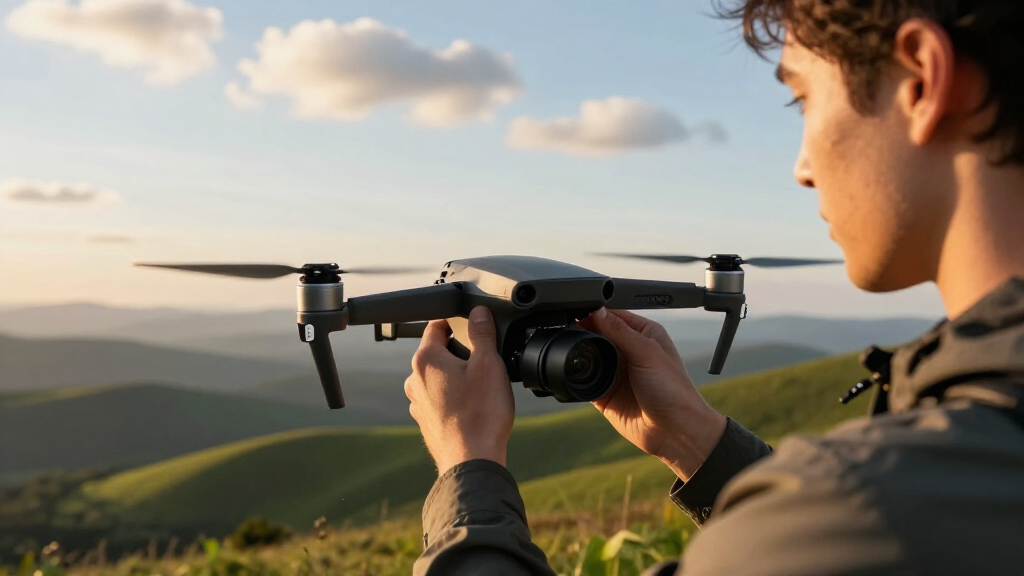
Recent launches include DJI’s Mini 6 Pro, equipped with AI-driven obstacle avoidance and intelligent framing modes, and Skydio’s Navigator series, which uses AI for autonomous flight in complex environments. These drones employ advanced stabilization systems, often integrating AI algorithms that predict and compensate for movement, resulting in smoother footage even in windy conditions.
Industry insiders confirm that AI integration allows for features such as automatic scene recognition, dynamic shot planning, and real-time adjustments to lighting and focus. These capabilities reduce the need for manual pilot skill, enabling users to focus on creative composition. Battery life remains a challenge, but new models are offering extended flight times, often exceeding 30 minutes per charge, with rapid-swapping batteries becoming standard.
Impacts of AI-Driven Automation on Aerial Photography in 2026
This technological evolution facilitates easier access to high-quality aerial imaging, allowing amateurs to produce professional-level footage with less training. For professional filmmakers, AI-powered drones support complex shots and dynamic scene capturing that previously required more equipment and personnel. The automation also has implications for safety and operational efficiency, especially in challenging environments, by reducing pilot error and enabling autonomous navigation.
Furthermore, the integration of AI into consumer drones encourages continued innovation within the industry, prompting traditional camera manufacturers and startups to develop more advanced, intelligent devices. This trend may also influence sectors beyond entertainment, such as agriculture, real estate, and emergency response, where aerial data collection is important.
AI camera drone with obstacle avoidance
As an affiliate, we earn on qualifying purchases.
As an affiliate, we earn on qualifying purchases.
Evolution of AI and Camera Technology in Drone Industry
Over recent years, the drone industry has gradually incorporated AI features, initially limited to obstacle detection and automatic return. By 2024, AI began assisting with scene recognition and intelligent flight planning. The 2026 landscape marks a notable advancement, with AI systems now enabling fully autonomous flight paths tailored to specific photographic goals.
Major manufacturers like DJI introduced the Mini 4K in 2025, which laid groundwork for AI integration, and subsequent models have expanded on this foundation. The rise of AI in drones coincides with improvements in camera sensor technology, stabilization, and miniaturization, creating a convergence that is making aerial photography more accessible and capable.
Unconfirmed Aspects of AI and Drone Capabilities in 2026
While AI-driven autonomous flight and scene recognition are established features, the reliability of these systems across diverse environments remains under assessment. Performance in extreme weather conditions or densely populated urban areas is still being evaluated. Additionally, regulatory developments concerning autonomous drones are ongoing, which could influence their adoption and deployment.
Upcoming Developments and Industry Trends for 2026
Manufacturers are expected to release new models with enhanced AI capabilities, including real-time editing, improved obstacle avoidance, and integration with cloud-based editing platforms. Industry analysts anticipate increased use in commercial sectors such as real estate, filmmaking, and agriculture. Regulatory frameworks are also expected to evolve, providing clearer guidelines for autonomous drone operation, which will influence future product features and deployment strategies.
Key Questions
How does AI improve drone photography in 2026?
AI enhances drone photography by enabling autonomous flight, scene recognition, real-time adjustments, and stabilized footage, facilitating the capture of complex shots with less manual input.
Are AI-powered drones safe for amateur users?
Many models incorporate safety features such as obstacle avoidance and automatic return, which help prevent accidents and make flying safer for beginners.
Will AI features increase drone prices significantly?
While AI integration can add to the initial cost, technological advancements and increased competition are expected to lead to more affordable options over time.
Can AI drones replace professional filmmakers?
AI drones can automate many shots, but professional filmmakers still rely on manual control and creative input for highly customized footage. They can, however, serve as valuable tools to supplement traditional methods.
What regulations might affect AI drone use in 2026?
Regulatory frameworks are evolving, with some regions implementing restrictions on autonomous flight and privacy considerations. Industry stakeholders are working with regulators to develop appropriate guidelines for deployment.
Source: ThorstenMeyerAI.com