
🔍 Read the full analysis: How Invideo Improves Color Grading 3X With GPT‑6 Astra on ThorstenMeyerAI.com

Get the latest gadgets delivered free — and shop member deals
- Fast, free delivery on millions of items
- Access to Prime Big Deal Days deals on October 6–7
- Prime Video, Amazon Music and more included
TL;DR
OpenAI published a customer story saying video platform invideo improved color grading speed threefold with GPT-6 Astra. The figure is a company-reported claim; the available material does not explain its measurement method, baseline or test conditions.
OpenAI has published a customer story saying browser-based video editing platform invideo improved color grading speed threefold using GPT-6 Astra. The figure is reported by invideo in the original analysis; the available source material does not show how the improvement was measured or what it was compared with.
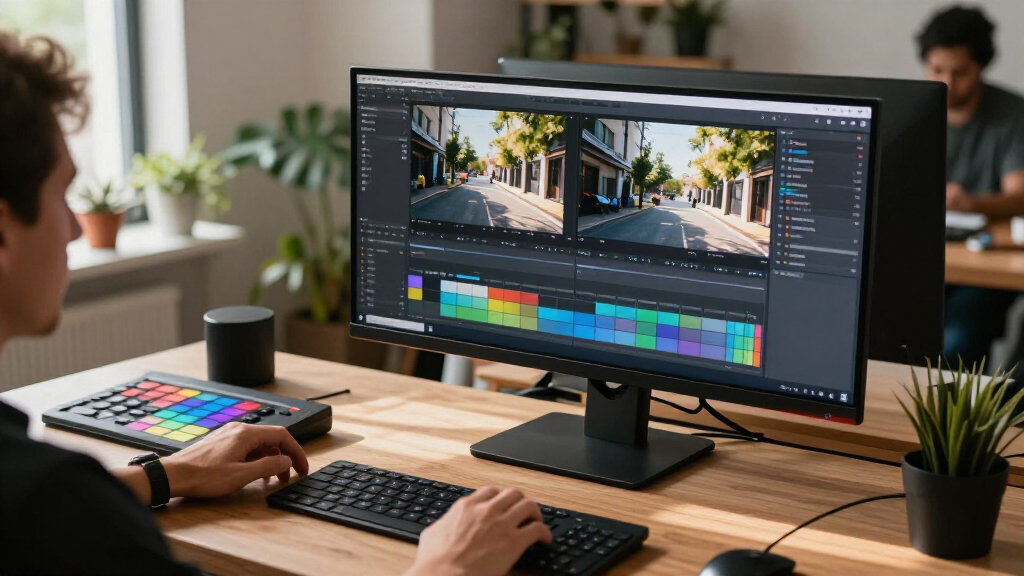
The development is a vendor customer case study, with OpenAI presenting invideo as an example of a company using its multimodal model in a video production workflow. Color grading involves adjusting a video’s color, contrast and tone to create a desired look or maintain consistency across footage.
The headline-level claim does not establish what “threefold” refers to. It could describe processing time, review time, the number of iterations, or another measure of workflow speed. The metric, baseline and test conditions remain unavailable in the source material provided for this report.
OpenAI identifies invideo as the customer behind the result, but the specific system design has not been described in the available text. It is unknown whether GPT-6 Astra directly changes grading settings, guides a separate editing tool, or assists a person making adjustments.
Faster Grading for Video Creators
If the reported speed improvement holds in routine use, it could reduce time spent on a production step that often requires repeated adjustments. That may matter to marketing teams, social media producers and small businesses working on short deadlines or without dedicated post-production staff.
The claim also offers a glimpse of how model providers are positioning multimodal AI: as a tool for practical creative workflows, not only text and coding tasks. For invideo, quicker grading could support its pitch to creators and businesses seeking an integrated editing process. Whether users see a noticeable improvement will depend on output quality, the footage supported and how much manual correction is still needed.
Top picks for "invideo improv color"
As an affiliate, we earn on qualifying purchases.
A Vendor Case Study
Invideo is a browser-based video editing platform aimed at casual and business users. Its product focus on AI-assisted video creation makes grading one possible part of a broader workflow in which users describe the result they want and software helps produce or refine it.
OpenAI’s customer stories highlight organizations using its models and report results supplied by those customers. Such accounts can show how a product is being applied, but they are not independent evaluations. The reported outcome should be distinguished from a benchmark whose methods and results have been examined by an outside party.
How the Speed Gain Was Measured
The available source provides the case study’s headline claim but not its full article text. The comparison baseline is unknown: the result might be measured against invideo’s earlier workflow, a manual process or another system. The time period, sample size and types of footage tested are also not stated.
It is also unclear whether the reported gain concerns speed alone or reflects a combination of faster processing and fewer editing rounds. No independent benchmark or third-party review is cited in the supplied material. Details on human oversight, output quality and performance with difficult footage, such as mixed lighting or varied skin tones, are not available.
Full Methods and User Results
The next useful evidence would be the complete case study, including the definition of the threefold metric, the baseline and the conditions used to calculate it. Details on the division of work between GPT-6 Astra, invideo’s editing software and human reviewers would help clarify what changed in the workflow.
For users, practical experience will show whether the reported speed gain applies across everyday projects and whether it preserves the intended look. The available source does not specify a rollout schedule, product availability changes or an independent evaluation.
Key Questions
What did OpenAI report about invideo?
OpenAI’s customer story says invideo improved color grading speed threefold using GPT-6 Astra.
Is the threefold improvement independently verified?
The supplied source material cites no independent benchmark or third-party review. It presents the result as a customer-reported claim in OpenAI’s case study.
What does the threefold figure measure?
The available material does not say whether it measures processing time, review time, editing iterations or another workflow measure. The metric and comparison baseline are unknown.
How does GPT-6 Astra fit into invideo’s grading workflow?
The system design has not been described in the available text. It is not clear whether the model changes grading settings directly, guides another tool or assists human editors.
Primary source: OpenAI · via ThorstenMeyerAI.com
Halloween Picks
halloween
As an affiliate, we earn on qualifying purchases.