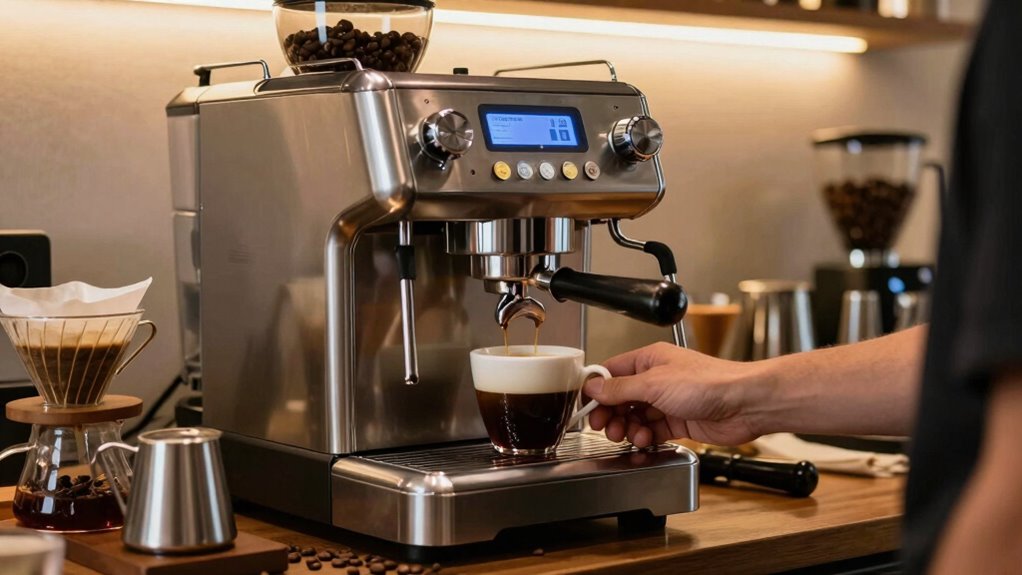

Superautomatic machines are great if you want quick coffee with minimal effort—you just press a button, and they handle everything from grinding to frothing. However, you’ll lose some control over brewing details like temperature and shot timing, making it hard to personalize your coffee. The automatic frother can be inconsistent, and you won’t get the hands-on craftsmanship enthusiasts crave. If you want to discover how to balance convenience with control, keep exploring what’s possible.
Key Takeaways
- Superautomatic machines offer fast, effortless coffee with minimal user input, prioritizing convenience over control.
- They limit manual adjustments, restricting customization of brewing variables like temperature and extraction time.
- Milk frothing is automated with preset functions, often resulting in inconsistent foam quality.
- They reduce hands-on involvement, diminishing the tactile experience and artistry of traditional brewing methods.
- Enthusiasts seeking personalized settings and fine-tuned control may find these machines too restrictive.
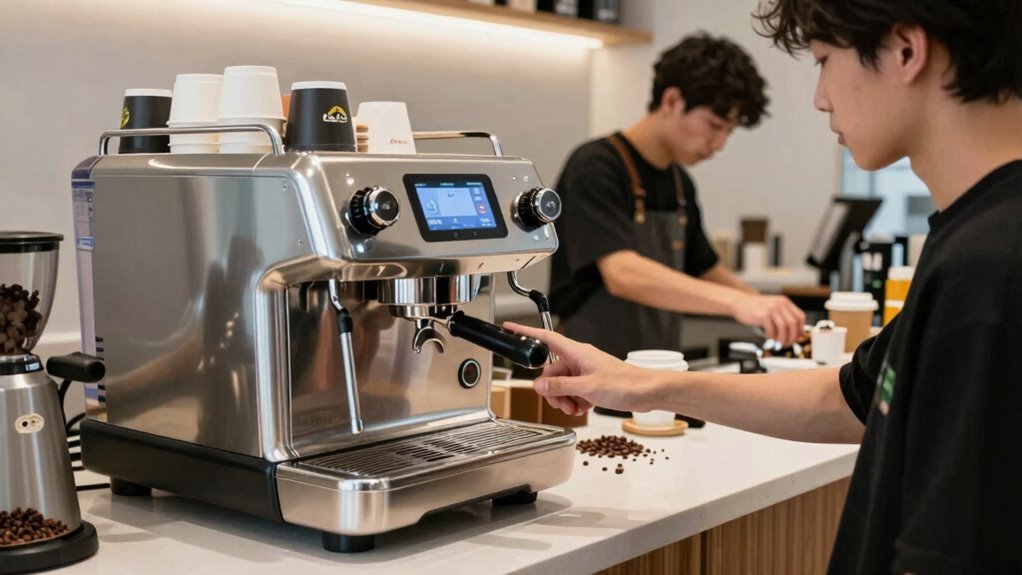
Superautomatic coffee machines have revolutionized brewing by offering unmatched convenience, allowing you to enjoy a fresh cup with just the push of a button. They grind beans, brew espresso, and even froth milk automatically, saving you time and effort. But while they excel in simplicity, they often fall short when it comes to manual control and milk frothing precision. If you’re someone who appreciates customizing every aspect of your coffee, this can be a significant drawback.
Superautomatic coffee machines offer quick convenience but limit manual control and milk frothing precision.
With superautomatic machines, you get limited control over the brewing process. You can choose the strength or size, but you can’t easily tweak variables like water temperature or extraction time. For many coffee enthusiasts, this means sacrificing the ability to craft a truly personalized cup. If you prefer experimenting with different beans or adjusting grind settings, you’ll find these machines restrictive. They do the work for you but at the expense of the nuanced control that manual or semi-automatic machines offer.
Milk frothing is another area where superautomatic machines often disappoint. They typically feature an integrated milk frother that automatically steams and froths milk, but the results can vary. You might find the foam too thin or inconsistent, especially if you’re used to hand-steaming with a traditional milk frother or steam wand. Manual control over milk frothing allows you to develop a rich, velvety microfoam that’s ideal for lattes and cappuccinos. With superautomatics, you’re limited to pre-set functions, which means you can’t easily adjust the froth density or temperature to suit your taste. If you’re particular about the texture and foam quality, these machines might not satisfy your standards.
Additionally, the ease of use often comes with a trade-off in craftsmanship. While you save effort, you lose the tactile experience of manually pulling shots or steaming milk to your specific preferences. For some, that hands-on process is part of the joy of making coffee, and superautomatic machines can feel more like a black box that produces decent coffee but lacks the artistry and control of traditional methods. If you value the ability to fine-tune each step—such as adjusting grind size, tamp pressure, or milk texture—you’ll find these machines limiting.
Furthermore, the automatic nature of these machines often means they lack manual intervention options that allow for personalized adjustments during brewing. In essence, superautomatic machines shine in delivering quick, consistent coffee with minimal effort, but they fall short when it comes to manual control and milk frothing. You might also notice that some models do not offer customizable brewing parameters, which can be frustrating for those seeking a more personalized experience. If you crave precision, customization, and the tactile experience of brewing, you’ll find yourself longing for a more manual approach despite the convenience these machines offer. And for those who prioritize customization options, the inability to adapt brewing parameters can be particularly disappointing. Additionally, some users might find the learning curve to understand the machine’s features and maintenance requirements to be a barrier to fully enjoying their coffee experience. Furthermore, choosing a machine with advanced features can be overwhelming for beginners, adding to the frustration.

GeniCup Espresso Machine with Grinder 20 Bar with 68oz Water Tank Cold Brew
- Professional Pressure System: 20-bar pump with OPV technology for precise extraction
- Powerful Motor and Frothing: 1400W motor with manual steam wand for milk frothing
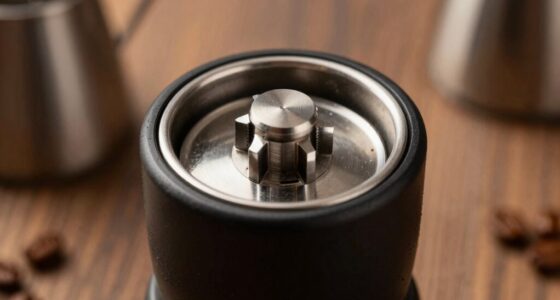
- Built-In Conical Burr Grinder: Stainless steel grinder with 20 adjustable settings
As an affiliate, we earn on qualifying purchases.
As an affiliate, we earn on qualifying purchases.
Frequently Asked Questions
How Long Do Superautomatic Machines Typically Last With Regular Use?
Superautomatic machines typically last around 5 to 10 years with regular use. Durability concerns can vary depending on the brand and model, so it’s wise to check warranty coverage before purchasing. Proper maintenance, like descaling and cleaning, extends their lifespan. Keep in mind, some parts may need replacement over time, and warranty coverage can help offset repair costs, ensuring your machine stays functional longer.
Are Superautomatic Machines Energy-Efficient Compared to Manual Espresso Makers?
Superautomatic machines generally consume more energy than manual espresso makers due to their electronic components and automated features. You might notice higher energy consumption, which increases their environmental impact over time. If you’re aiming for energy efficiency, manual machines can be better, as they require less power and allow you to control your usage. So, while superautomatics offer convenience, they tend to have a larger environmental footprint.
Can Superautomatic Machines Be Easily Repaired or Serviced at Home?
Like a well-tuned orchestra, your superautomatic machine can often be fine-tuned at home, but only if you know the right notes. You can usually handle simple DIY repairs, but complex issues might require calling in the professionals. Keep in mind, warranty coverage can sometimes be voided if you attempt repairs yourself. For peace of mind, consult the manual or manufacturer before poking around inside your machine.
What Are the Maintenance Costs Associated With Superautomatic Coffee Machines?
You’ll find that maintenance costs for superautomatic coffee machines mainly come from regular cleaning routines and replacing water filters. These tasks are essential to keep your machine running smoothly and guarantee great coffee. Cleaning routines involve descaling and cleaning components, which may take time but are usually inexpensive if done yourself. Water filtration replacements vary in cost depending on the model, but neglecting them can lead to costly repairs later.
Do Superautomatic Machines Produce the Same Quality Espresso as Manual Machines?
Perfectly polished, superautomatic machines produce good, consistent espresso, but they don’t quite match the mastery of manual machines. You might find that barista skill influences flavor consistency, which automatic models can’t fully replicate. While superautomatics offer speed and simplicity, they often lack the nuanced touch of a skilled barista. So, if you crave cafe-quality espresso with precise flavor, manual machines give you more control and craft.
Conclusion
So, while superautomatic machines might seem like the ultimate coffee heroes, offering lightning-fast brews and zero effort, don’t forget—they might just be stealing your soul of flavor and charm! Imagine a world where every cup tastes the same, like a robot’s idea of perfection. If you crave the magic of a barista’s touch and the bold character of real coffee, you might just have to fight back and keep the tradition alive—before your espresso becomes just another forgettable blur!