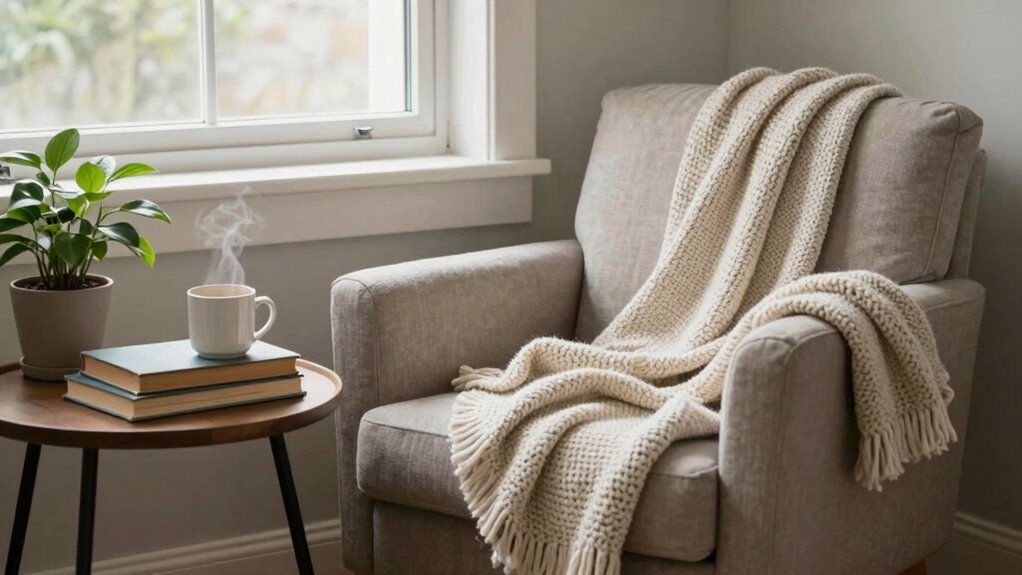

You don’t need a luxurious spa to create an effective recovery room at home. Focus on comfort, accessibility, and calming elements like soft lighting, soothing music, and aromatic diffusers. Incorporate essential medical devices and simple tools for stress relief, all tailored to your needs. A clutter-free, inviting space promotes healing and independence without overdoing it. Want practical ideas and budgets tips? Keep going to discover how to set up a functional, peaceful recovery environment.
Key Takeaways
- Comfort and functionality are more important than luxury or spa-like aesthetics in a home recovery room.
- Incorporating essential medical equipment and supportive furniture promotes effective healing without elaborate design.
- Calming elements like soft lighting, soothing music, and aromatherapy create a relaxing environment on a budget.
- Practical, easy-to-use tools and biodiversity-inspired decor enhance well-being without overcomplicating the space.
- A personalized, clutter-free setup supports independence, stress reduction, and overall recovery goals.
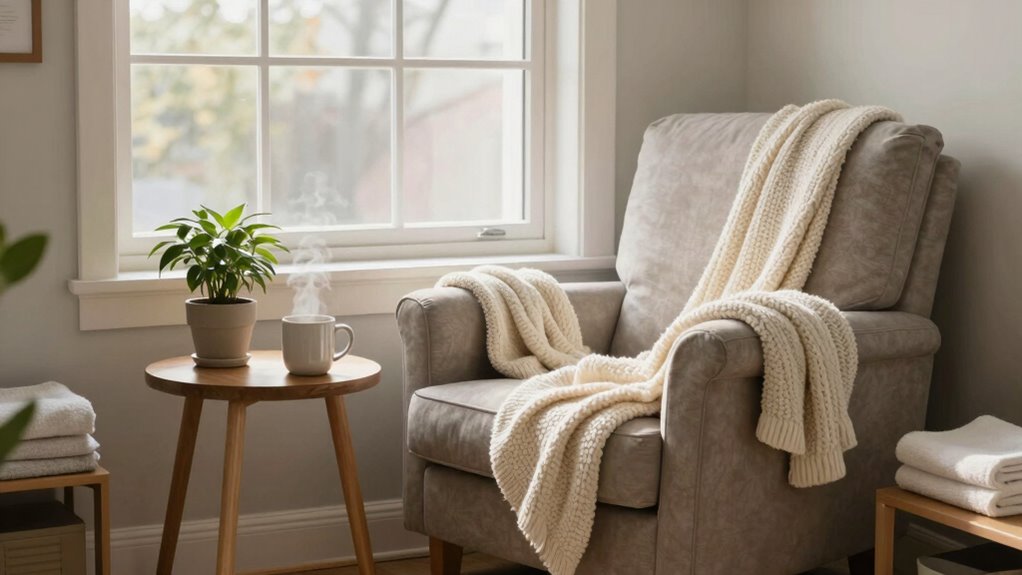
Have you ever considered creating a dedicated recovery room at home to support your health and well-being? You don’t need a fancy spa-like space to make it effective. In fact, a simple, practical room can do wonders for your recovery process. The key is to focus on what truly helps your body and mind heal, not on creating an overly luxurious environment. You can incorporate holistic therapies and essential medical equipment to tailor the space to your needs. A recovery room is about comfort and functionality, so it’s important to keep your goals front and center.
Start with the basics. You want to equip your space with medical equipment that aids your recovery. Depending on your health needs, this could include items like a supportive chair or recliner, a portable blood pressure monitor, or even a TENS unit for pain relief. These tools shouldn’t clutter the space but rather be accessible and easy to use. The goal is to create an environment where you feel in control of your recovery process. Adding a small table for your devices or medications can keep everything within reach, making your routines smoother. Incorporating appropriate medical equipment can help ensure your recovery space remains functional and tailored to your needs. Additionally, choosing easy-to-use devices can enhance your independence during recovery. Creating a space with biodiversity-inspired elements can also contribute to a calming atmosphere and promote healing.
Holistic therapies are a valuable addition, offering approaches that support your overall well-being. Think about placing elements like calming lighting, soothing music, or even aromatherapy diffusers to create a peaceful atmosphere. These therapies aren’t just about relaxation; they help reduce stress, improve sleep, and promote healing. You don’t need a dedicated spa for these; simple, affordable options work just as well. Incorporate comfortable cushions, blankets, or a meditation corner to encourage mindfulness and relaxation. The focus should be on nurturing your body and mind without overcomplicating the space. Additionally, incorporating proper audiovisual equipment can enhance your comfort and entertainment during recovery, making the space more inviting and functional.
home recovery room medical equipment
As an affiliate, we earn on qualifying purchases.
As an affiliate, we earn on qualifying purchases.
Frequently Asked Questions
Can Recovery Rooms Be Used for Non-Medical Relaxation?
Yes, recovery rooms can definitely be used for non-medical relaxation. You can create a space that mimics a luxury spa, complete with comfy seating, calming lighting, and soothing music. Incorporate professional treatments like massage or aromatherapy to enhance relaxation. This way, your recovery room becomes a personal retreat, helping you unwind and de-stress without the need for medical procedures, just pure comfort and relaxation.
What Essential Items Should Be in a Home Recovery Room?
You should include essential items like comfortable seating, a side table, and good lighting. Make certain to have medication storage to keep prescriptions organized and secure. Consider privacy considerations, such as a door or screen, so you feel safe and relaxed. Keep essentials like water, snacks, and entertainment nearby. These items guarantee your recovery space is practical, comfortable, and supportive of your healing process.
How Much Does Setting up a Recovery Space Typically Cost?
Setting up a recovery space usually costs between $200 and $2,000, depending on your choices. If you want luxury aesthetics and high-end equipment, expect to spend more, especially on quality furniture, soothing lighting, and advanced medical devices. You can keep costs lower by focusing on essentials like comfortable seating and helpful supplies. Remember, you don’t need to overspend—prioritize comfort and functionality to create an effective recovery environment.
Are Recovery Rooms Suitable for Children or Elderly Individuals?
Recovery rooms can be suitable for children and the elderly if you prioritize child safety and elderly accessibility. Imagine a cozy nook with rounded edges and non-slip mats—think of it as a safe harbor amid rough seas. You’ll want to include features like secure railings and easy-to-reach controls. With thoughtful adjustments, your recovery space becomes a supportive environment, catering to all ages comfortably and safely.
How Do I Ensure My Recovery Room Is Hygienic and Safe?
To keep your recovery room hygienic and safe, regularly clean surfaces and wash linens. Use decorative lighting to create a calming atmosphere without sacrificing cleanliness. Incorporate aromatherapy diffusers with disinfectant or calming scents to promote relaxation while maintaining fresh air quality. Guarantee good ventilation, keep clutter minimal, and check for any potential hazards. These steps help create a safe, hygienic space that supports recovery without needing to look like a spa.
Conclusion
Remember, even in the chaos of your busy days, your recovery space doesn’t need to be a sanctuary straight out of a spa catalog. Like Penelope weaving her web patiently, you can craft a simple, functional haven that soothes and heals without excess. Sometimes, the most effective rooms are those that reflect your needs, not perfection. Embrace the practicality—you’re the master of your own recovery, after all.