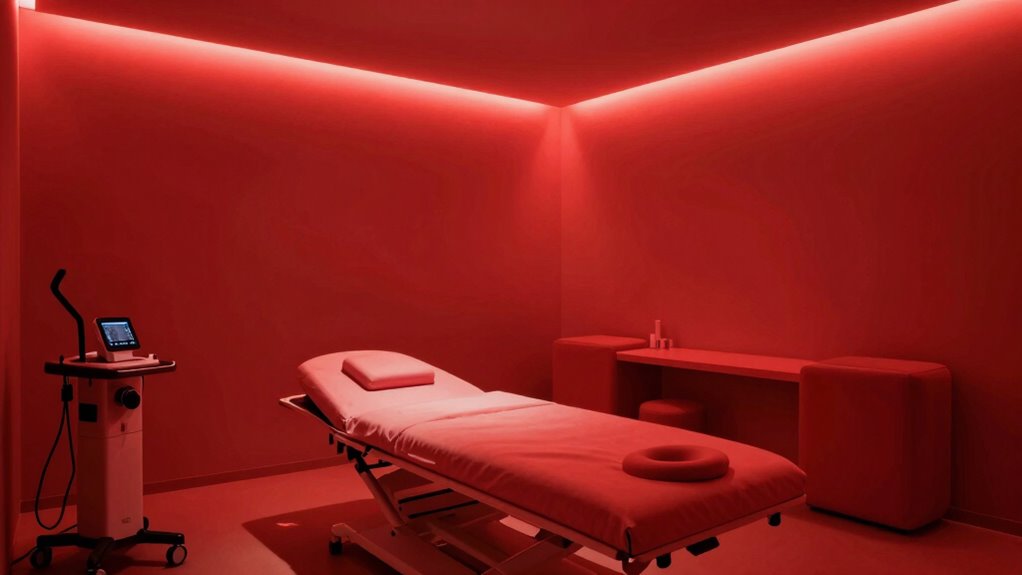

For the best results in red light therapy rooms, focus on maintaining proper distance from the LED panels and sticking to a consistent routine. Longer sessions or exaggerated claims won’t deliver better outcomes and can even cause discomfort. The key is regular use over time with the right settings, not hype or extended sessions. If you keep these principles in mind, you’ll see more sustainable benefits. Keep exploring to discover how to optimize your therapy experience further.

Get the latest gadgets delivered free — and shop member deals
- Fast, free delivery on millions of items
- Access to Prime Big Deal Days deals on October 6–7
- Prime Video, Amazon Music and more included
Key Takeaways
- Proper distance from the LED panel enhances safety and effectiveness, preventing skin irritation and maximizing benefits.
- Consistent use over time yields better results than sporadic or overly lengthy sessions.
- Short, frequent sessions are more effective than long, infrequent ones.
- Adhering to device guidelines ensures safe, optimal therapy without unnecessary hype.
- Long-term commitment and correct routine are essential for sustainable health improvements.
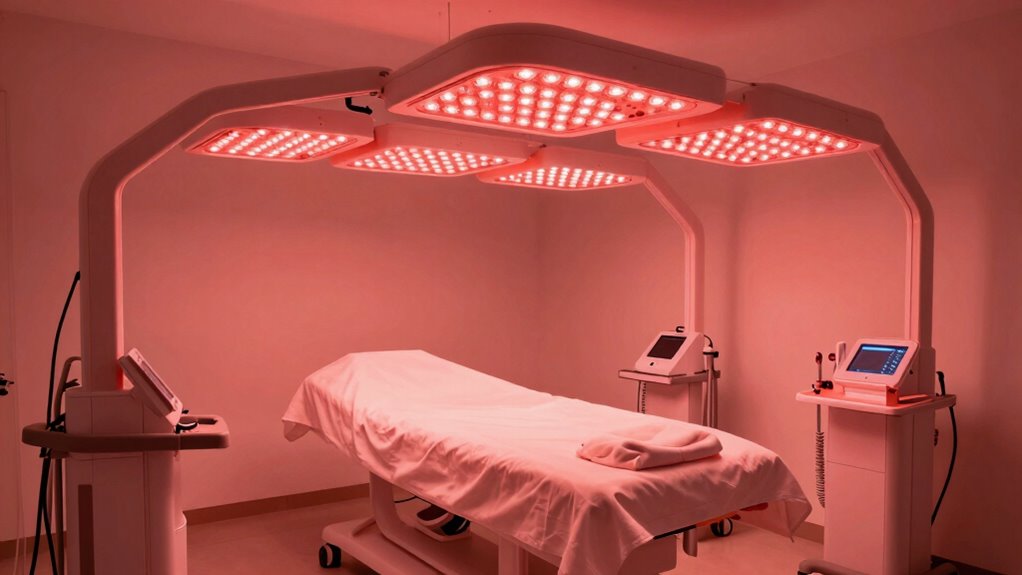
Another key aspect is treatment session duration. While some devices or clinics might suggest very short or very long sessions, the truth is that consistency matters far more than hype. Many effective protocols recommend sessions lasting around 10 to 20 minutes, several times a week. Longer sessions don’t necessarily mean better results and can sometimes cause discomfort or fatigue. Shorter, more frequent sessions tend to build better, sustained outcomes over time. It’s essential that you follow the recommended duration for your specific device and avoid the temptation to extend sessions in hopes of faster results. Overdoing it can lead to diminishing returns or skin irritation, which defeats the purpose of the therapy. Additionally, understanding passive voice detection can help ensure your writing remains clear and engaging. It’s tempting to believe that simply spending more time or having a high-powered setup will lead to rapid success. However, the real key lies in maintaining a steady routine with correct LED panel placement and appropriate session duration. Consistency over weeks and months is what truly makes a difference. Think of red light therapy as a journey rather than a quick fix—adjust your LED panel placement carefully and stick to a sensible treatment session duration, then give your body time to respond. When you prioritize proper distance and regularity over hype, you’ll find that red light therapy becomes a reliable tool for health and wellness rather than just another trend. Maintaining proper device settings is also crucial to ensure effective and safe treatment sessions. Moreover, paying attention to indoor air quality can support overall wellness as part of a holistic approach to health. Incorporating holistic health practices can further enhance your results and promote overall well-being. Consistent use with appropriate session length can help maximize the benefits and support long-term wellness.
As an affiliate, we earn on qualifying purchases.
Frequently Asked Questions
How Long Should Each Red Light Therapy Session Last?
For red light therapy, your session duration typically ranges from 10 to 20 minutes. To achieve ideal timing, start with shorter sessions and gradually increase as your body adapts. Pay attention to how your skin responds, and don’t overdo it, since longer sessions don’t necessarily mean better results. Consistency matters more than length—regular sessions help maximize benefits, so stick to a routine tailored to your needs.
Can Red Light Therapy Be Combined With Other Treatments?
Yes, you can combine red light therapy with other treatments, and doing so can enhance overall benefits through treatment synergy. Incorporate complementary modalities like skincare, physical therapy, or wellness routines alongside red light therapy. Always consult with a healthcare professional to guarantee safety and effectiveness. When used together thoughtfully, these combined approaches can optimize your results and support your health goals more effectively.
Are There Any Age Restrictions for Using Red Light Therapy Rooms?
Think of red light therapy like tuning a fine instrument—age restrictions and safety precautions matter. Generally, it’s safe for most ages, but children and seniors should consult a healthcare professional first. For example, my grandmother, in her 70s, found relief from joint pain with proper guidance. Always check age limitations and follow safety precautions to guarantee a safe, effective experience tailored to your needs.
How Often Should I Visit a Red Light Therapy Room?
You should visit a red light therapy room about 3 to 5 times a week initially, focusing on consistent treatment scheduling. Session frequency varies depending on your goals, like skin health or pain relief, so follow your provider’s recommendations. As you progress, you might reduce visits to maintain benefits. Consistency is key, so sticking to a routine guarantees you see the best results over time.
What Are the Common Misconceptions About Red Light Therapy?
Think of red light therapy as a garden—myth busting is essential to avoid weeds. Many believe it’s a miracle cure, but its effectiveness factors include consistent use and proper distance from the light source. Common misconceptions include overestimating immediate results or thinking more sessions mean faster healing. In reality, patience and accurate application are key. Knowing the facts helps you harness its true benefits without falling for hype.
Conclusion
Think of red light therapy like tending a delicate garden—you can’t just water once and forget it. You need consistent care and proper distance to see real growth. I once visited a clinic where patients who followed the protocol diligently reported noticeable improvements after a few weeks. Just like nurturing plants, your results depend more on steady effort than on hype or shortcuts. Stay patient, stay consistent, and let the light work its quiet magic.
Fall Picks
fall essentials
As an affiliate, we earn on qualifying purchases.