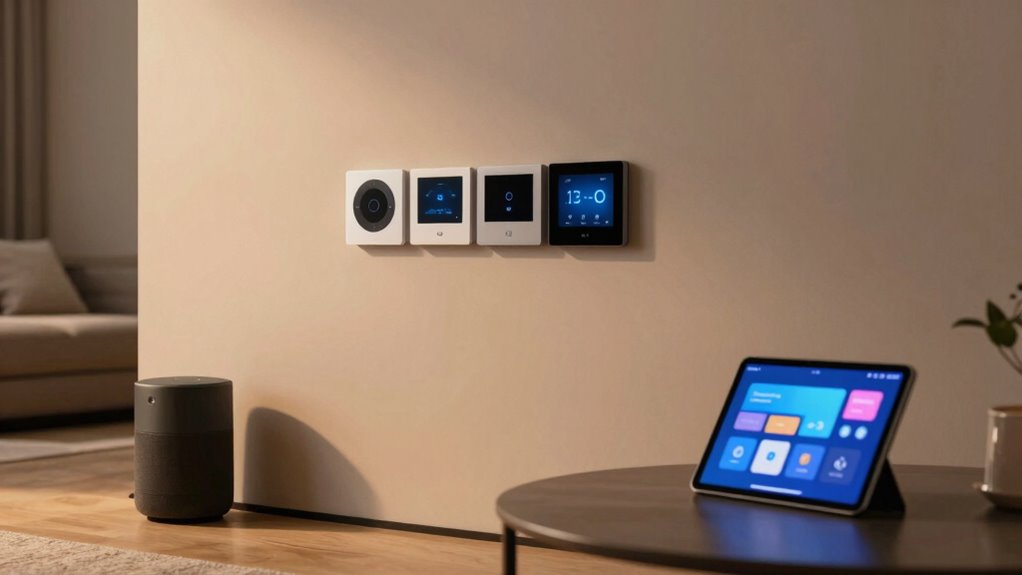

If you prioritize resilience and privacy, a Home Assistant system is your best bet, as it offers local control, keeping your data within your home network. This makes it more future-proof because it stays functional even without internet. App-only smart homes rely on cloud servers, which can be less reliable and more exposed to security risks. Want to discover how each model handles long-term use? Keep exploring to find out more.

Get the latest gadgets delivered free — and shop member deals
- Fast, free delivery on millions of items
- Access to Prime Big Deal Days deals on October 6–7
- Prime Video, Amazon Music and more included
Key Takeaways
- Home Assistant’s local hosting offers greater long-term stability and resilience compared to app-only models reliant on cloud servers.
- App-only systems depend on external services, risking obsolescence if cloud providers change or discontinue their platforms.
- Home Assistant’s customizable, local control ensures ongoing privacy and security as devices and protocols evolve.
- App-only solutions may face compatibility and security issues over time due to reliance on third-party apps and cloud updates.
- Local hosting in Home Assistant provides better control over data, privacy, and system updates, contributing to a longer-lasting smart home setup.
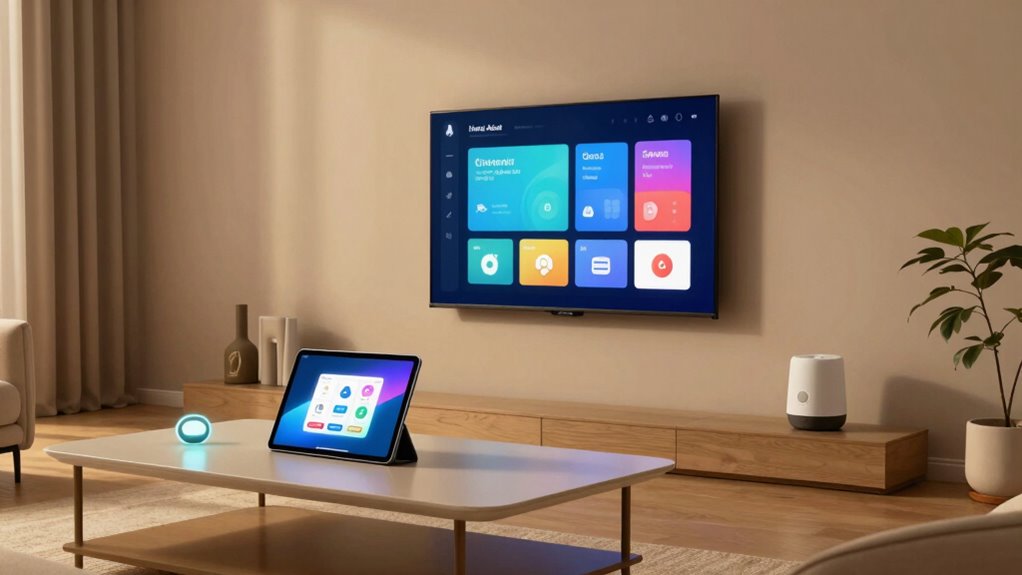
Smart homes are becoming more popular, but choosing the right control method can be confusing. When you’re deciding between a Home Assistant setup and an app-only smart home, you need to evaluate how you’ll interact with your devices daily. Voice control plays a significant role here, offering hands-free convenience that many users find appealing. With voice commands, you can turn on lights, adjust the thermostat, or lock doors without lifting a finger, making your smart home feel more intuitive. However, voice control also raises concerns about data security. You want to be sure that your voice commands aren’t being intercepted or stored insecurely, which is vital for maintaining privacy in your connected home.
A Home Assistant setup typically involves a centralized hub or server that manages your smart devices. This system often supports voice control through integrations with popular assistants like Alexa or Google Assistant, giving you a seamless way to control everything with your voice. Since your Home Assistant is usually hosted locally or on a private server, your data stays within your network, enhancing data security. You have more control over what information is shared and stored, reducing the risk of breaches. This local control can also make your system more resilient; even if the internet goes down, your devices respond to commands. That’s a big advantage if you prioritize reliability and privacy. Additionally, because local hosting keeps your data within your home network, it minimizes exposure to potential outside threats. Implementing encryption protocols further ensures your system remains protected against unauthorized access. Moreover, privacy considerations are often better addressed when your data stays within your own network, giving you peace of mind.
Home Assistant local smart home hub
As an affiliate, we earn on qualifying purchases.
As an affiliate, we earn on qualifying purchases.
Frequently Asked Questions
How Does User Privacy Differ Between Home Assistant and App-Only Models?
You have more user control over privacy with Home Assistant because it keeps your data locally, reducing risks. It uses data encryption to protect your information and gives you control over what’s stored. In contrast, app-only models often send data to external servers, which can compromise privacy. With app-only setups, you rely on the company’s security measures, making local control and data encryption key factors in protecting your privacy.
Which Model Offers Better Scalability for Expanding Smart Home Systems?
You’ll find that home assistants generally offer better scalability because they support extensive device compatibility and cloud connectivity, making it easier to add new gadgets. Doesn’t it make sense to choose a system that adapts as your smart home grows? With a home assistant, you can seamlessly integrate more devices over time, ensuring your setup remains flexible and future-proof. App-only models might struggle with this level of expansion.
Are There Cost Differences in Maintaining Home Assistant Vs App-Only Setups?
You’ll likely find maintenance costs differ between Home Assistant and app-only setups, mainly due to energy efficiency and user control. Home Assistant often requires dedicated hardware, which could mean higher initial costs but better energy efficiency over time, reducing ongoing expenses. App-only setups usually rely on existing devices, so maintenance is minimal, but you might sacrifice some user control and energy optimization. Consider your priorities to choose the best option for long-term savings.
How Do These Models Impact Smart Home Data Security?
You influence your smart home data security by choosing between models. With a Home Assistant, you control data more securely through local device control and data encryption, reducing exposure to breaches. Conversely, app-only setups often rely on cloud services, which can pose risks if not properly secured. Your decision impacts how well your data stays private and protected, making device control and data encryption key factors in safeguarding your information.
Can Both Models Integrate With Third-Party Smart Devices Equally?
Like a trusty Swiss Army knife, both models can integrate with third-party smart devices, but their compatibility varies. Home Assistant generally offers broader device compatibility and more customizable user interfaces, making it easier to connect and control diverse gadgets. App-only homes may have limited device support and simpler interfaces, which can hinder seamless integration. Your choice depends on whether you prioritize flexibility or ease of use.
Conclusion
Choosing between Home Assistant and app-only smart homes is like selecting a sturdy tree or a delicate vine. The tree’s roots run deep, offering stability and growth, much like Home Assistant’s open-source foundation. The vine, flexible and easy to move, mirrors app-only systems that adapt quickly but lack enduring strength. Ultimately, your choice shapes your smart home’s future—whether it stands tall through storms or dances freely with the breeze. The symbol lies in your hands.
Fall Picks
fall essentials
As an affiliate, we earn on qualifying purchases.